Highlights
-
Thoroughly clearing water and debris off your cover before removal prevents structural tears and pool contamination.
-
Using specialised, gentle cleaning solutions preserves protective UV coatings and prevents material degradation.
-
Allowing the cover to dry completely before folding prevents mildew, mould growth and unpleasant odours during storage.
-
Inspecting for minor tears, pinholes or worn straps enables timely repairs before severe winter weather sets in.
-
Storing folded pool covers in raised, pest-proof containers shields delicate materials from rodent damage and moisture.
-
Following systematic winter storage protocols extends cover lifespan, saving homeowners money on premature replacements.
Why Is Proper Off-Season Cover Care Essential for Pool Protection?
Taking the time to clean, inspect and store your cover correctly preserves both your pool investment and the cover itself. Seasonal exposure to intense sunlight, chemical residues and heavy organic debris weakens protective fabrics over time if left untreated. According to guidelines from the Swimming Pool & Spa Association (SPASA) Australia, regular cleaning and diligent maintenance prevent the buildup of harmful contaminants that cause permanent material damage.
Neglecting routine care before winter storage allows lingering algae spores, acidic tree sap and residual chlorine to break down waterproof membranes and UV-resistant coatings. When folded while still damp, dark storage conditions encourage rapid mold growth that causes foul odors and permanently stains materials.
How Do You Safely Remove Accumulated Debris & Water Before Removal?
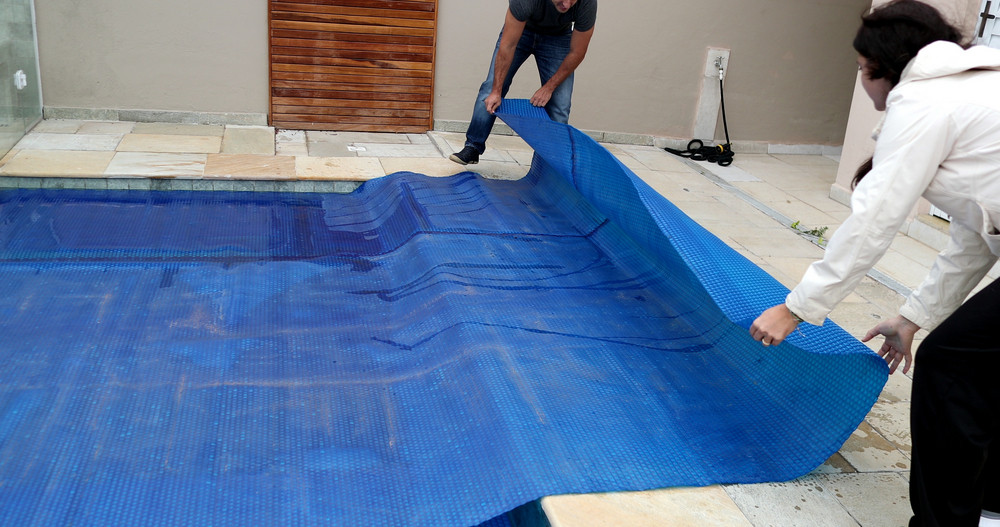
Before attempting to detach or roll up your cover, you must clear all standing water, heavy leaves and debris from its upper surface. Attempting to lift a heavy, waterlogged cover risks tearing reinforced seams, snapping anchor straps or dumping dirty water back into your freshly treated pool water.
-
Pump Off Standing Water: Use a submersible cover pump to drain accumulated rainwater and melted snow from the centre of the cover completely.
-
Scoop Large Organic Debris: Remove heavy piles of leaves, twigs and acorns using a soft-bristled pool leaf rake or a gentle broom.
-
Avoid Sharp Lawn Tools: Refrain from using sharp metal rakes or stiff shovels that can easily puncture or tear delicate vinyl and mesh fabrics.
-
Clear Surrounding Decking: Sweep the surrounding pool deck to prevent stray dirt and leaves from transferring onto the clean cover as you remove it.
-
Inspect Anchor Straps: Loosen anchor bolts or water bags carefully, ensuring hardware is free of debris and stored properly for quick spring installation.
What Is the Best Method for Washing & Scrubbing Your Cover?
Once removed from the pool surface, lay the cover flat across a smooth, debris-free grassy area or clean concrete driveway for deep cleaning. Avoid using harsh household detergents, abrasive cleaners or high-pressure power washers, which can strip away critical protective coatings or shred fibre weaves. Performance benchmarks published by AWTA Product Testing highlight that Australian standards like AS 5348 evaluate outdoor textiles for chemical resilience and durability under harsh environmental conditions.
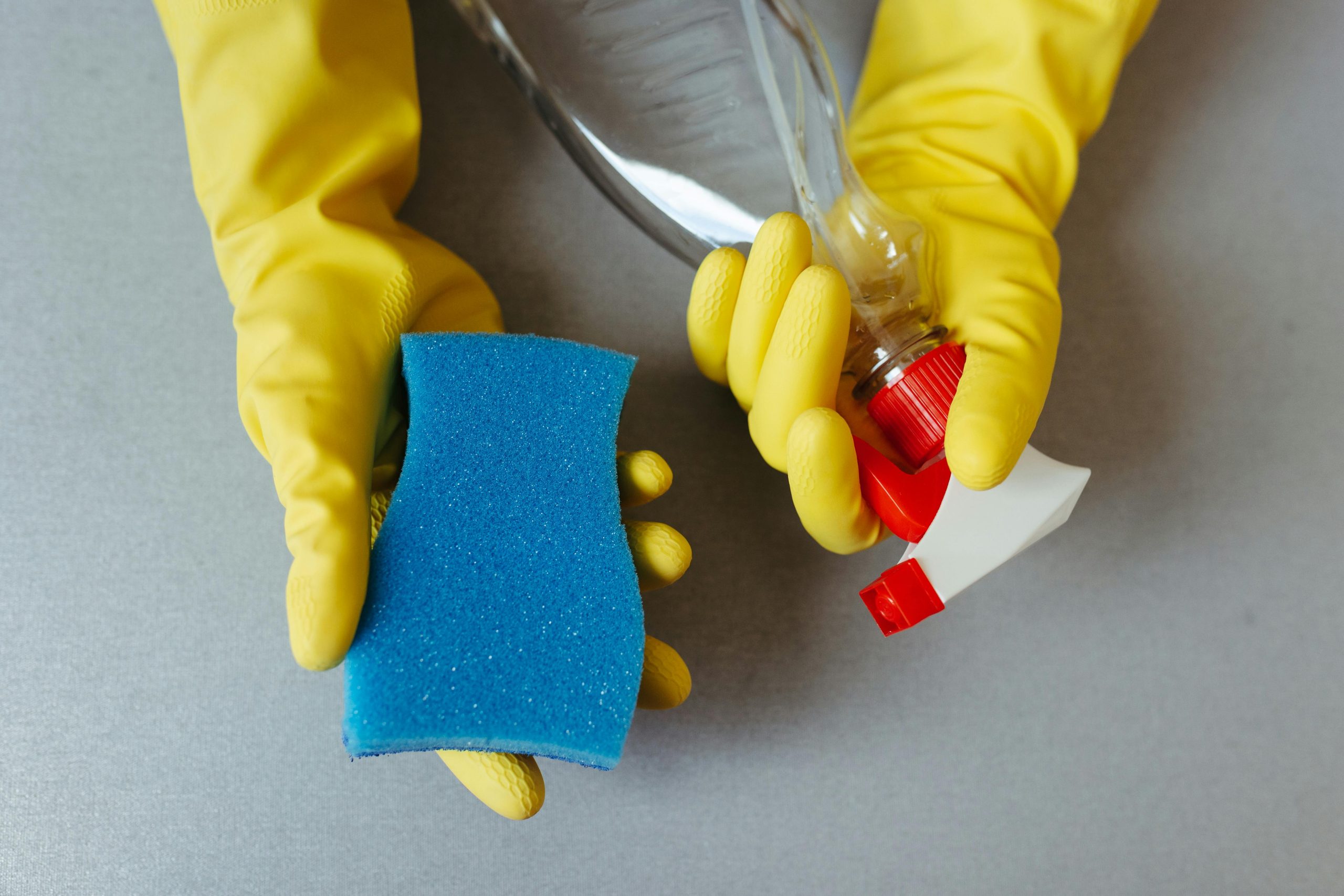
To protect these fabric qualities, apply a specialised pH-neutral cover cleaner or a mild mixture of gentle dish soap and warm water across the entire surface. Scrub systematically in circular motions using a soft-bristled deck brush to lift embedded dirt, bird droppings and algae spots. Hose down both sides thoroughly with clean water, ensuring every trace of soap suds and chemical residue is rinsed away before drying.
Why Is Thorough Drying Critical Before Folding & Storing?
Drying your cover completely is the single most critical step in preventing fungal growth, foul odours and material degradation during long months of storage. Moisture trapped between tight folds creates an ideal breeding ground for mould, mildew and bacteria that break down fabric integrity over time. According to water conservation factsheets endorsed by Smart WaterMark, high-quality pool blankets are designed to withstand high chemical loads and harsh climate conditions, but proper handling remains vital to preserving their structural integrity.
Spread the cover across a clean, sunny patch of lawn or over a patio deck railing, flipping it after a few hours to ensure the underside dries thoroughly. Pay close attention to heavy reinforced edges, webbing straps and brass grommets, as hidden water often lingers in thick seams. Only proceed to fold the cover once every square inch of fabric is completely bone-dry to the touch.
What Steps Ensure Pest-Proof & Safe Winter Storage?
Folding and storing your dry cover in a protected, elevated space shields delicate synthetic materials from environmental damage, UV degradation and nesting pests during cold winter months.
-
Accordion-Style Folding: Fold the cover tightly using an accordion-style pattern to simplify unfolding and installation when reopening your pool next season.
-
Inspect for Structural Damage: Examine the dry fabric closely for small pinholes, frayed straps or worn seams, applying patch kits promptly before storage.
-
Utilise Heavy-Duty Containers: Place folded pool covers inside durable, breathable storage bins or bags that allow proper air circulation while blocking insects.
-
Elevate off Concrete Floors: Store storage containers on sturdy shelving units or wooden pallets rather than directly on damp garage or shed concrete floors.
-
Incorporate Pest Deterrents: Place natural pest repellents or cedar chips around storage areas to deter mice and insects from chewing through fabric.
Is Proper Seasonal Cover Storage Worth the Effort?
Taking the time to wash, dry, inspect and safely store your pool cover is an essential maintenance task that pays huge dividends over time. Skipping these foundational steps often leads to mould contamination, severe fabric rot, pest damage and expensive premature cover replacements. By clearing debris, using gentle pH-balanced soap formulations, drying thoroughly and utilising pest-proof storage bins, you ensure your cover delivers reliable protection season after season.
Properly cleaning and storing your pool cover before winter sets in is one of the smartest investments you can make for your backyard oasis. By establishing a routine that prioritises thorough washing, total moisture removal and secure, pest-proof storage, you extend the operational lifespan of your protective equipment by years. Dedicating time to seasonal care guarantees that your cover will be ready to perform flawlessly, saving you money and protecting your swimming pool for seasons to come.