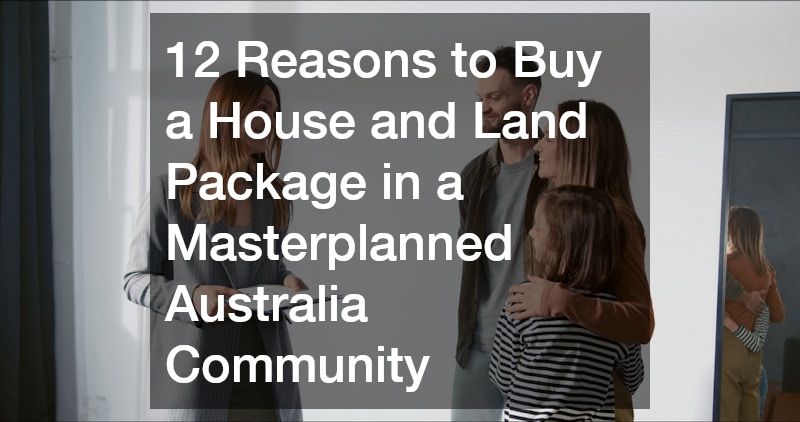
Navigating the real estate market often leads prospective buyers toward house and land packages, a popular pathway to property ownership that combines land purchase and home construction into a streamlined process. Deciding whether to embark on this route requires a clear understanding of how these offerings function and how well they align with your lifestyle, financial goals, and personal timeline. In this article, we explore the concept of house and land packages, providing an in-depth analysis to help you decide if they align with your housing needs and preferences.
What are House and Land Packages?
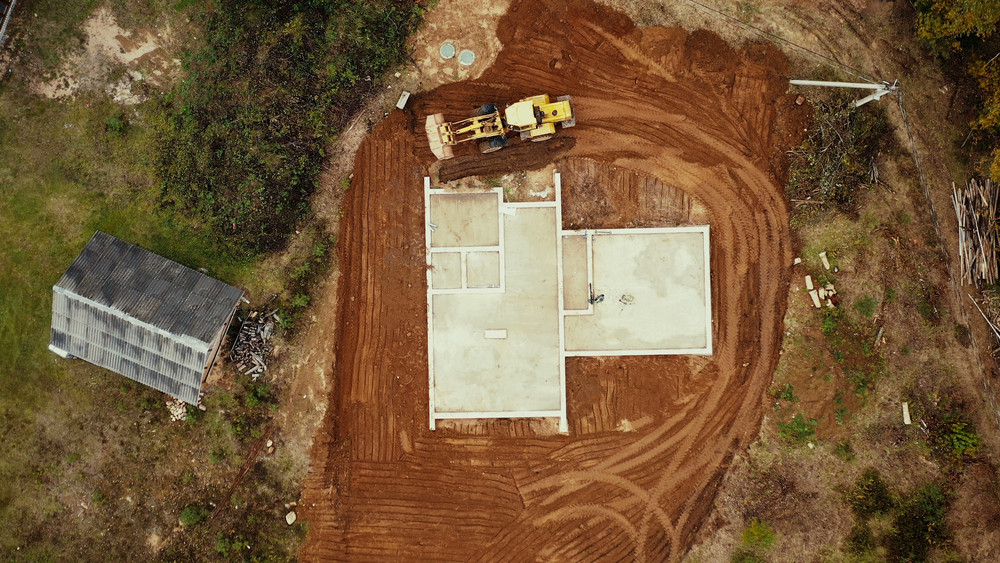
A house and land package involves purchasing a block of land and securing a builder to construct a residential dwelling on that plot, usually within a master-planned estate. Buyers typically sign two contracts simultaneously: one for the land settlement with the developer and another for the construction of the house with the builder. These packages bundle the entire process into a coordinated purchasing decision, offering buyers a brand-new home tailored to fit specific plot dimensions without the hassle of individually sourcing land and architects.
These offerings generally fall into two primary categories designed to accommodate different buyer budgets and levels of involvement. The first type is a turn-key package, where the property is fully completed, landscaped, and ready for immediate move-in upon settlement. The second type is a standard design-and-build package, which allows buyers to choose a parcel of land first and then choose from a range of customizable floor plans provided by partner builders, offering greater control over interior finishes and layout tweaks.
Pros and Cons of House and Land Packages
The primary draw of house and land packages lies in their financial efficiency and logistical convenience. Financially, buyers often save significantly on stamp duty because the tax in many jurisdictions applies only to the value of the land rather than the unbuilt house. Logistically, working with bundled services reduces administrative stress, as developers and builders streamline approvals, utility connections, and structural planning. Furthermore, living in a modern, energy-efficient building minimizes immediate maintenance costs while granting access to updated community infrastructure.
Despite their benefits, these packages carry notable drawbacks that require careful consideration. Customization is frequently limited by strict estate guidelines and pre-approved builder plans, restricting personal architectural choices. Construction timelines are also susceptible to delays caused by weather, material shortages, or labor issues, creating financial strain if buyers must pay rent while servicing a land mortgage. Additionally, many of these packages are situated on the urban fringe, which can result in longer commutes and initial delays in local public amenity access.
How to Assess if a House and Land Package is Right for You
Evaluating whether a package fits your needs starts with a comprehensive assessment of key baseline variables. Location remains paramount; prospective buyers must evaluate proximity to employment hubs, public transport, schools, and essential services. Budgeting requires looking beyond the advertised base price to account for land site costs, landscaping, upgrades, and council fees. Thoroughly researching developer and builder reputations through past project reviews, financial stability checks, and construction quality standards is critical to avoiding unexpected disputes or structural issues.
Determining long-term suitability involves matching the property’s features to your future lifestyle trajectory and economic aspirations. Consider whether the master-planned community supports your family goals, such as room for growing children or accessibility for aging in place. From an investment perspective, assess the region’s capital growth potential and future infrastructure plans to ensure the home will build equity. If your lifestyle demands flexibility or rapid relocation, the holding period required for land development may not fit your immediate plans.
House and land packages offer a structured, convenient path to owning a brand-new home, combining potential stamp duty savings with modern community living. However, trade-offs regarding customization limitations, location distances, and construction timelines require a balanced approach. By thoroughly analyzing your budget, evaluating developer credentials, and aligning the estate’s long-term potential with your personal life goals, you can confidently decide whether a house and land package represents the ideal choice for your housing journey.