-
Bleach only works on surface mould: It can remove visible patches but doesn’t penetrate porous ceilings, leaving spores behind.
-
Alternative cleaners can be more effective: Vinegar, hydrogen peroxide, baking soda, and commercial mould removers often work better on porous surfaces.
-
Address the root cause: Fix leaks, reduce indoor humidity, and improve ventilation to prevent mould from returning.
-
Safety is essential: Wear gloves, goggles, and a mask, ventilate the room, and avoid mixing bleach with other cleaners.
-
Bleach is not a long-term solution: Frequent use can damage paint and plaster and won’t stop mould recurrence.
-
Professional help for serious infestations: Large areas, structural damage, or persistent mould require expert remediation.
-
Regular inspection and maintenance prevent mould: Check ceilings periodically and act promptly at the first sign of growth.
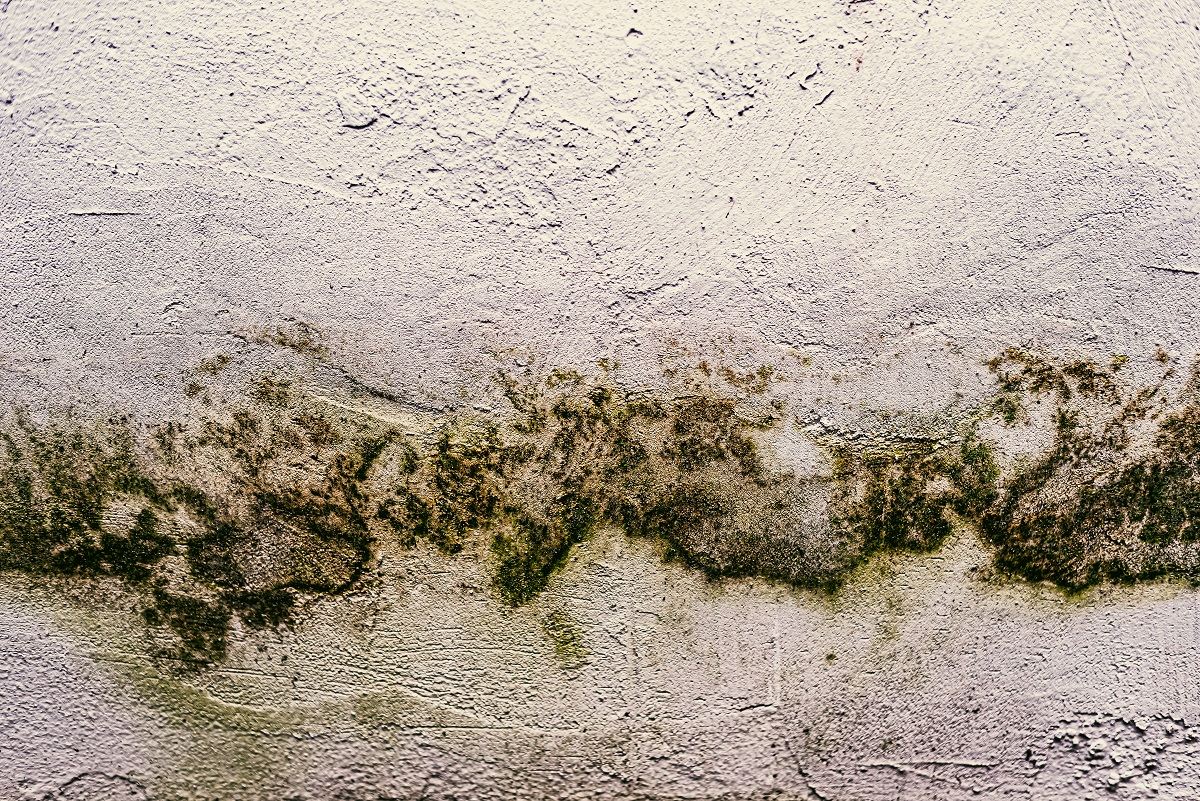
Mould on ceilings is a common issue for many homeowners, especially in bathrooms, kitchens, and older homes with poor ventilation. It’s unsightly, unpleasant, and can affect air quality. Many people immediately reach for bleach, thinking it’s the ultimate solution. But does bleach actually kill mould on ceilings, or is it just a temporary fix? In this article, we’ll break down everything you need to know, including safe removal methods, prevention, and alternative solutions.
What Is Mould and Why Does It Grow on Ceilings?
Mould is a type of fungus that thrives in damp, humid environments. On ceilings, it’s often caused by:
- Condensation from poorly ventilated rooms
- Roof leaks or water damage
- High indoor humidity
- Poor insulation
Mould spores are tiny and airborne, meaning they can spread easily throughout your home if left untreated. Besides being unsightly, certain types of mould can trigger allergies, asthma, and other respiratory issues.
Does Bleach Kill Mould?
Bleach is often thought of as a strong disinfectant that can kill mould. Here’s what you need to know:
- Surface mould: Bleach can remove mould stains on non-porous surfaces like tiles, glass, and sealed countertops.
- Porous surfaces: Ceilings are often made of porous materials like plasterboard. Bleach can’t penetrate deep into these materials, which means it might only remove the visible mould but leave spores behind.
- Temporary effect: Because bleach doesn’t kill spores deep within the ceiling, mould can return if the underlying moisture issue isn’t addressed.
In short, bleach can be effective for cleaning small, surface-level mould patches, but it is not a long-term solution for mould growth on ceilings.
How to Safely Use Bleach on Ceilings

If you do decide to use bleach to tackle mould, safety is essential. Follow these steps:
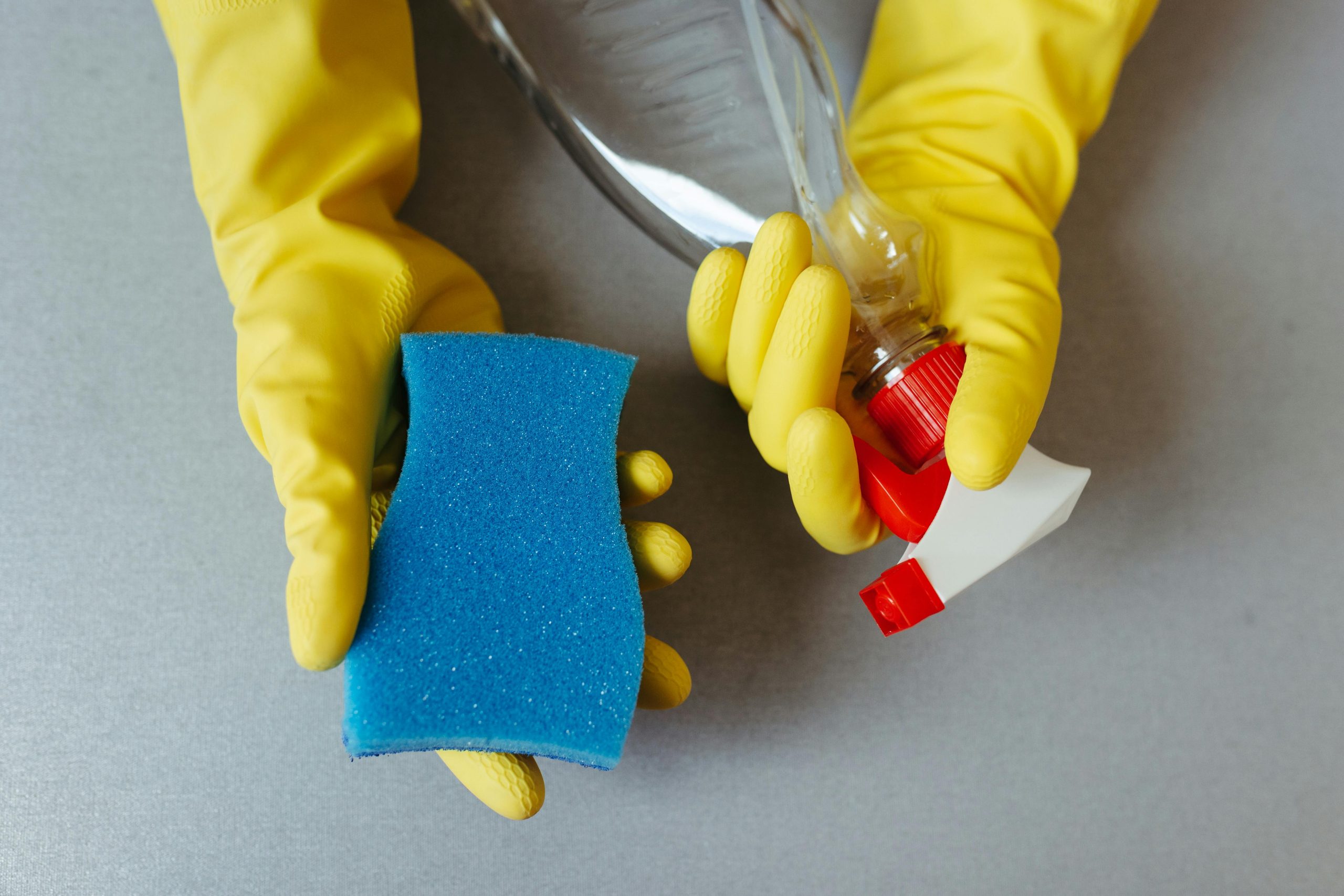
- Wear protective gear: Gloves, a mask, and goggles will protect you from fumes and spores.
- Ventilate the room: Open windows and use fans to circulate fresh air.
- Prepare a diluted solution: Mix 1 cup of bleach with 4 litres of water. Avoid using undiluted bleach—it can damage your ceiling and produce strong fumes.
- Test a small area: Apply the solution to a small section first to check for any surface damage.
- Apply gently: Use a sponge or cloth rather than spraying directly. This limits airborne spores.
- Rinse and dry: After cleaning, wipe with a damp cloth and ensure the area dries completely to prevent recurrence.
Are There Safer or More Effective Alternatives?
Bleach isn’t always the best choice for ceiling mould. If you want to know how to remove mould from ceiling effectively and safely, there are several alternatives to consider:
- Vinegar: White vinegar can kill about 82% of mould species. Apply undiluted, leave for an hour, then wipe clean.
- Hydrogen peroxide (3% solution): Spray directly onto the mould, leave for 10 minutes, then scrub and wipe. It’s less harsh than bleach and works well on porous surfaces.
- Baking soda: Mix 1 tablespoon of baking soda with 2 cups of water, spray on the mould, scrub gently, and rinse. It also helps absorb moisture.
- Commercial mould removers: Many products are specifically formulated for ceilings and can penetrate porous surfaces more effectively than bleach.
Using these alternatives as part of a broader cleaning approach can make a big difference in removing mould and keeping your ceiling clean.
How to Prevent Mould on Ceilings
The most effective way to deal with ceiling mould is prevention. Here are some practical tips:
- Improve ventilation: Install or use exhaust fans in bathrooms and kitchens. Open windows regularly to circulate air.
- Control indoor humidity: Use a dehumidifier in damp areas and keep humidity levels below 60%.
- Fix leaks promptly: Check roofs, gutters, and plumbing regularly. Any water damage can quickly lead to mould growth.
- Insulate ceilings: Proper insulation reduces condensation, which is a common cause of mould in cooler months.
- Regular inspections: Periodically check ceilings for early signs of mould and address them before they spread.
Common Questions About Bleach and Ceiling Mould
Can bleach prevent mould from returning?
No, bleach alone cannot prevent mould. Without addressing moisture problems, mould is likely to return. Use bleach only as part of a broader solution that fixes the cause of dampness.
Is it safe to mix bleach with other cleaners?
Never mix bleach with ammonia or acidic cleaners. This can produce toxic fumes that are dangerous to breathe.
How often can I use bleach on ceilings?
Frequent use is not recommended as bleach can damage paint and plaster over time. Use it sparingly and only when necessary.
What if the mould covers a large area?
For widespread mould, professional remediation is often safer and more effective. Large infestations can damage the ceiling and pose health risks.
When to Call in Professionals
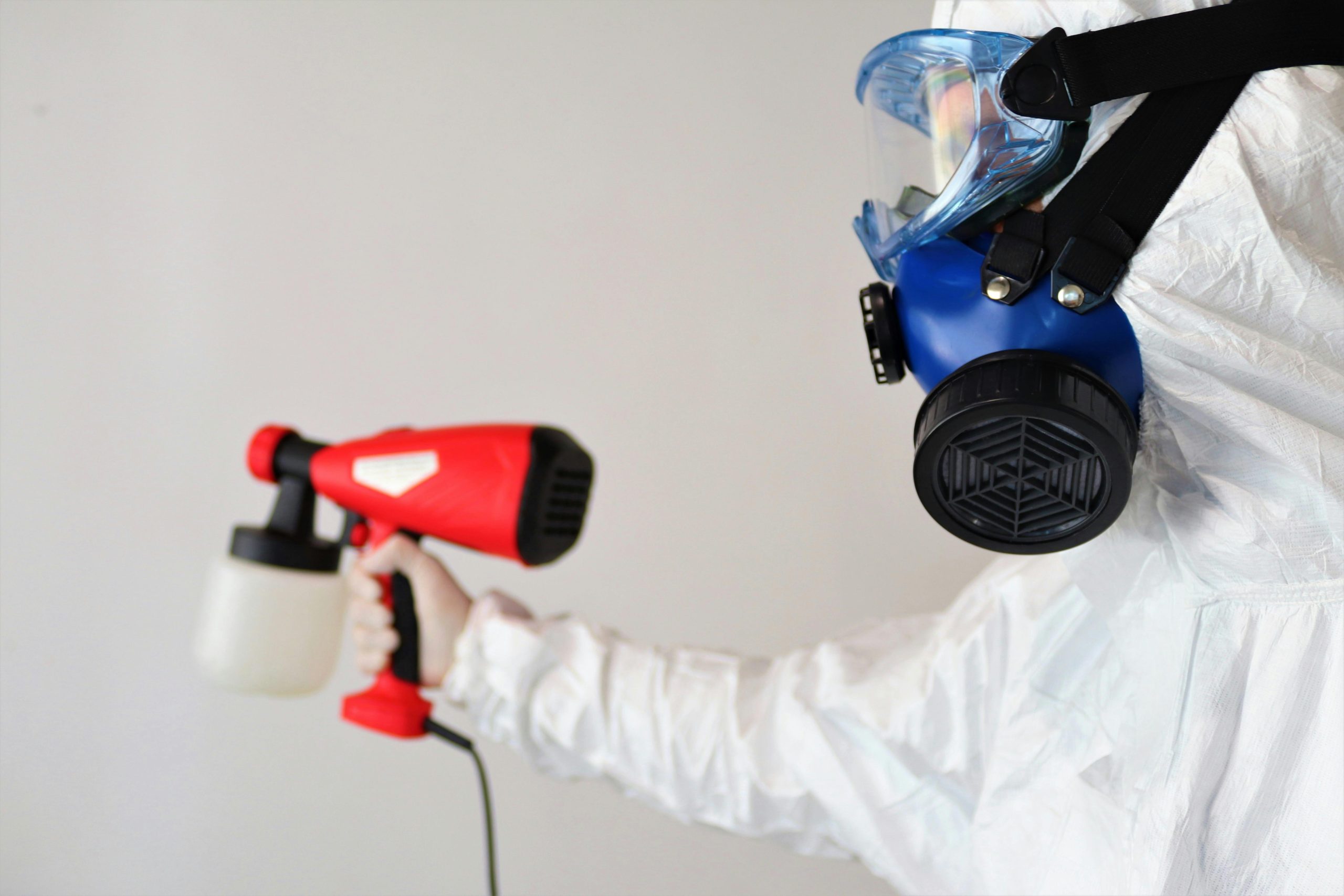
Sometimes, DIY solutions aren’t enough. You should consider professional help if:
- Mould covers more than 1 square metre
- There are signs of structural damage
- You or your family members have respiratory issues or allergies
- The mould keeps returning despite repeated cleaning
Professional mould removers use specialised equipment and treatments to remove mould completely and safely.
Final Thoughts
So, does bleach kill mould on ceilings? Partially. It works on the surface but doesn’t solve the underlying problem. The best approach combines cleaning, moisture control, and preventative measures to keep your ceilings mould-free. By tackling both the visible mould and the conditions that allow it to grow, you’ll protect your home and your family’s health in the long run.